Frequently Asked Questions (FAQ)
- Why is water tank cleaning important?
Water tank cleaning is important to remove dirt, algae, bacteria, and sludge that accumulate over time. It helps ensure safe, hygienic, and clean water for drinking and daily use, preventing waterborne diseases.
- How often should water tanks be cleaned in Ambattur?
Experts recommend cleaning water tanks every 3 to 6 months for residential use. For commercial buildings, hotels, and industries, more frequent cleaning such as monthly or quarterly is advised.
- What types of water tanks do you clean?
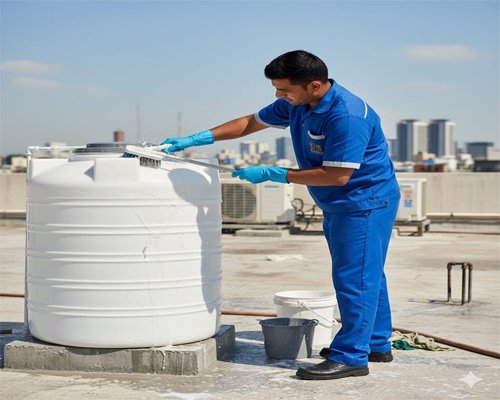
ST CleaningService cover all types of tanks including overhead water tanks, underground sump tanks, plastic tanks, concrete tanks, and industrial water storage tanks.
- What is included in a professional water tank cleaning service?
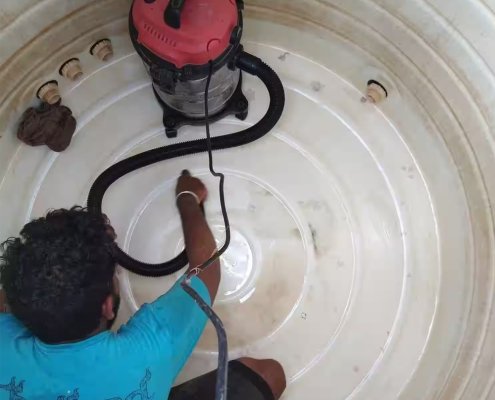
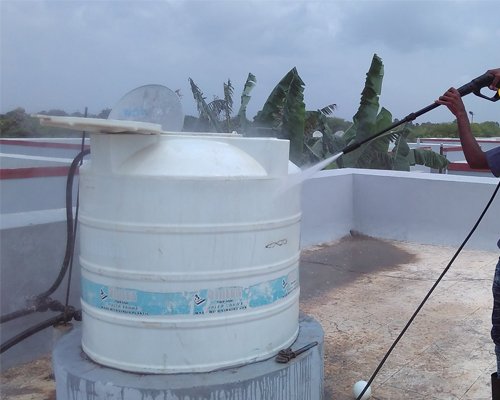
A complete service includes inspection, water draining, sludge removal, high-pressure jet cleaning, scrubbing, disinfection, rinsing, and final quality checking
- Is the cleaning process safe for drinking water tanks?
Yes, ST cleaning uses safe, approved disinfectants and eco-friendly methods to ensure the tank is completely safe for storing drinking water after cleaning.
- How long does water tank cleaning take?
The time depends on tank size and contamination level. Generally, residential tanks take 1–3 hours, while larger commercial or industrial tanks may take longer.
- Do you provide emergency water tank cleaning services in Ambattur?
Yes, ST Cleaning service providers offer emergency and same-day water tank cleaning services for urgent requirements.
- What equipment is used for water tank cleaning?
Advanced tools like high-pressure jet machines, vacuum sludge removers, scrubbing equipment, and eco-friendly disinfectants are used for deep and hygienic cleaning.
- Can water tank cleaning remove bad smell and algae?
Yes, ST Cleaning removes algae, bacteria, and sludge buildup, eliminating foul smell and improving water clarity and quality.
- How much does ST water tank cleaning service cost in Ambattur?
The cost depends on tank size, type, and level of contamination. Residential cleaning is generally affordable, while commercial and industrial tanks may cost more due to larger scale.